
The Ultimate Guide to Seal Coating: Protecting Your Pavement Investment


When it comes to maintaining your pavement, seal coating is an essential process that can significantly extend its lifespan. This guide will walk you through the reasons why seal coating is a must, the benefits it offers, and how to go about it effectively.

Why Seal Coating is Essential
Seal coating acts as a protective barrier against the elements, including water, oil, and UV rays. Over time, these factors can cause cracks and deterioration in your pavement. By applying a seal coat, you can enhance the durability and appearance of your pavement.
Another critical reason to seal coat is to prevent oxidation. When asphalt is exposed to the sun, it can dry out and become brittle. Seal coating helps to lock in the essential oils and maintain the flexibility of the asphalt, preventing cracking and potholes.
The Benefits of Seal Coating
Regular seal coating not only protects your pavement but also saves you money in the long run. By preventing damage, you reduce the need for costly repairs or complete resurfacing. Additionally, a well-maintained pavement enhances the curb appeal of your property, adding value and making a positive impression on visitors.
Seal coating also improves the safety of your pavement. It creates a smoother surface, reducing the risk of tripping hazards. Plus, it makes cleaning easier, as the sealed surface resists stains from oil and other substances.
When to Seal Coat
The timing of seal coating is crucial. It's generally recommended to apply a seal coat every 2 to 3 years, depending on the traffic and environmental conditions. New pavements should be sealed at least 6 months after installation to allow the asphalt to cure properly.
Choosing the right time of year is also important. Seal coating should be done in warmer weather to ensure proper adhesion and drying. Avoid applying it during rainy or cold conditions, as this can affect the effectiveness of the seal coat.
How to Seal Coat
Seal coating can be a DIY project, but hiring a professional is often the best choice for optimal results. Here’s a general overview of the process:
- Preparation: Clean the pavement thoroughly, removing all debris and repairing any cracks or potholes.
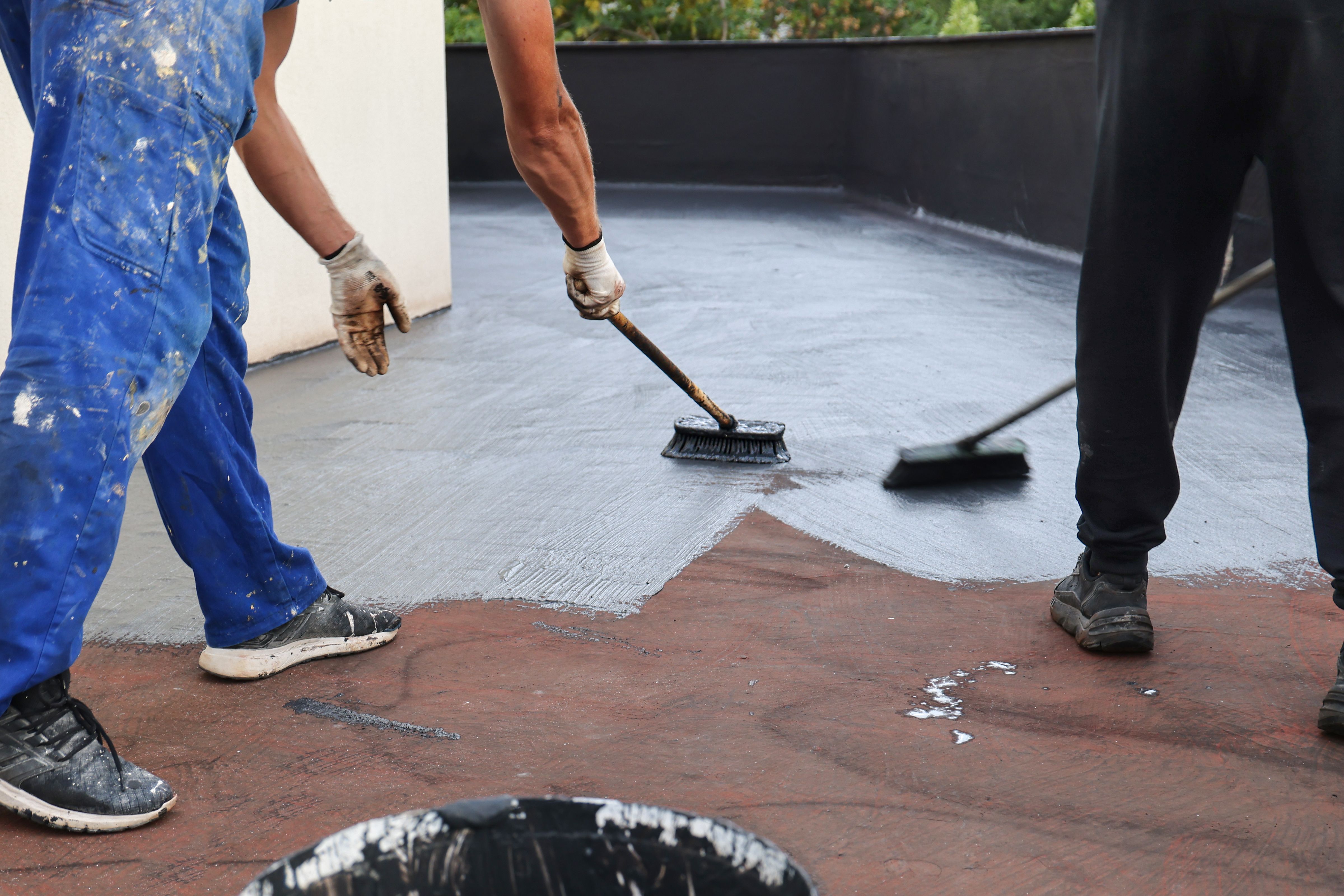
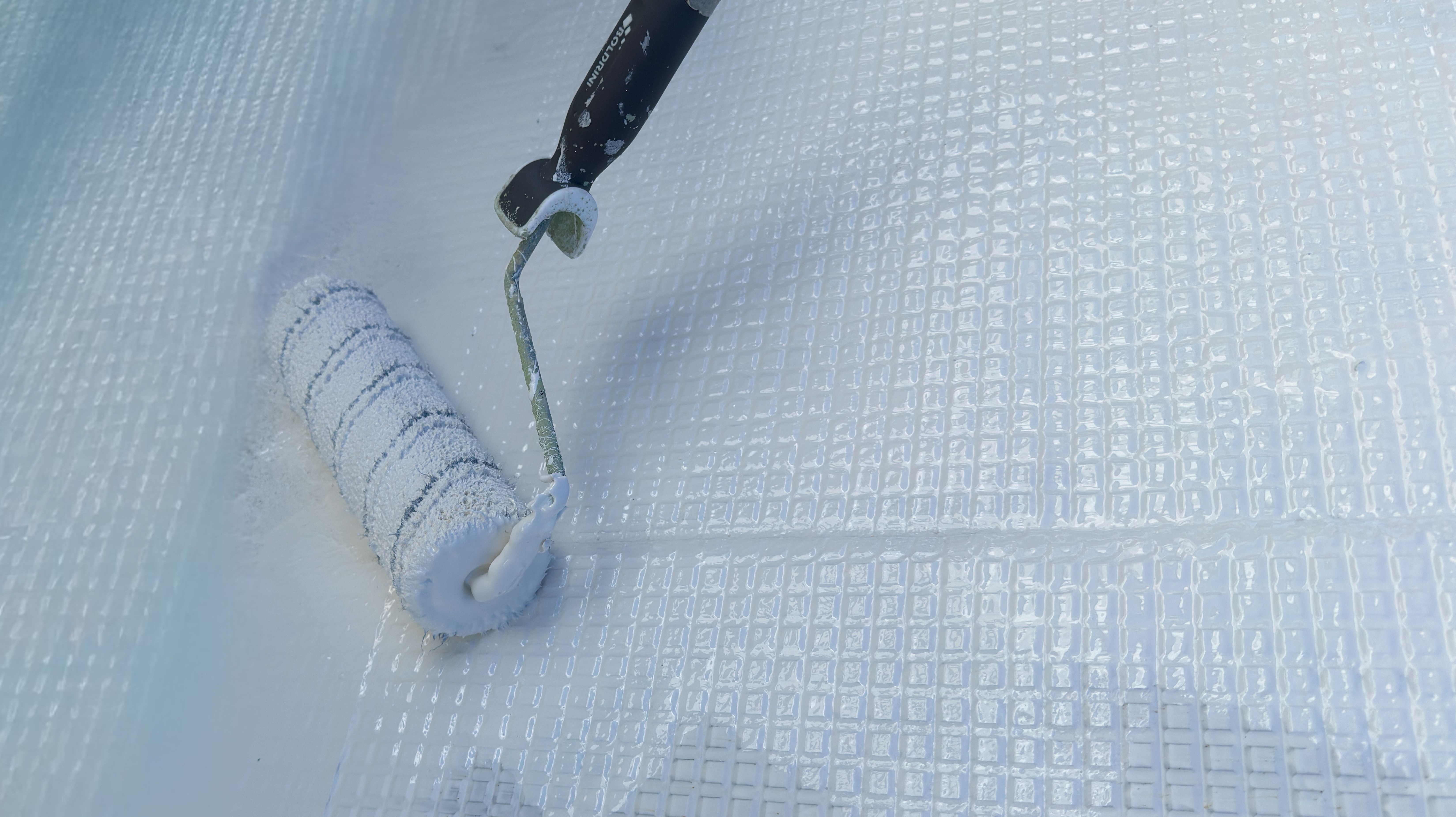
- Application: Apply the seal coat using a brush, squeegee, or spray method, ensuring even coverage.
- Curing: Allow the seal coat to dry completely before opening the area to traffic. This usually takes 24 to 48 hours.
By following these steps, you can ensure that your pavement remains in excellent condition for years to come. Seal coating is a valuable investment in the longevity and appearance of your asphalt surfaces.