
Seasonal Paving Preparation: Getting Ready for Winter in Hannibal


Understanding the Importance of Seasonal Paving Preparation
As the chill of winter approaches in Hannibal, it's crucial to focus on preparing your paving surfaces for the harsh conditions ahead. Ensuring your driveways and walkways are in optimal condition can prevent significant damage and costly repairs. Proper seasonal paving preparation not only enhances the longevity of your surfaces but also ensures safety for all who use them.
Winter weather can be particularly unforgiving, with freezing temperatures, snow, and ice taking a toll on paved surfaces. By taking the time to prepare now, property owners can avoid the headaches of cracked and uneven pavement when spring arrives.
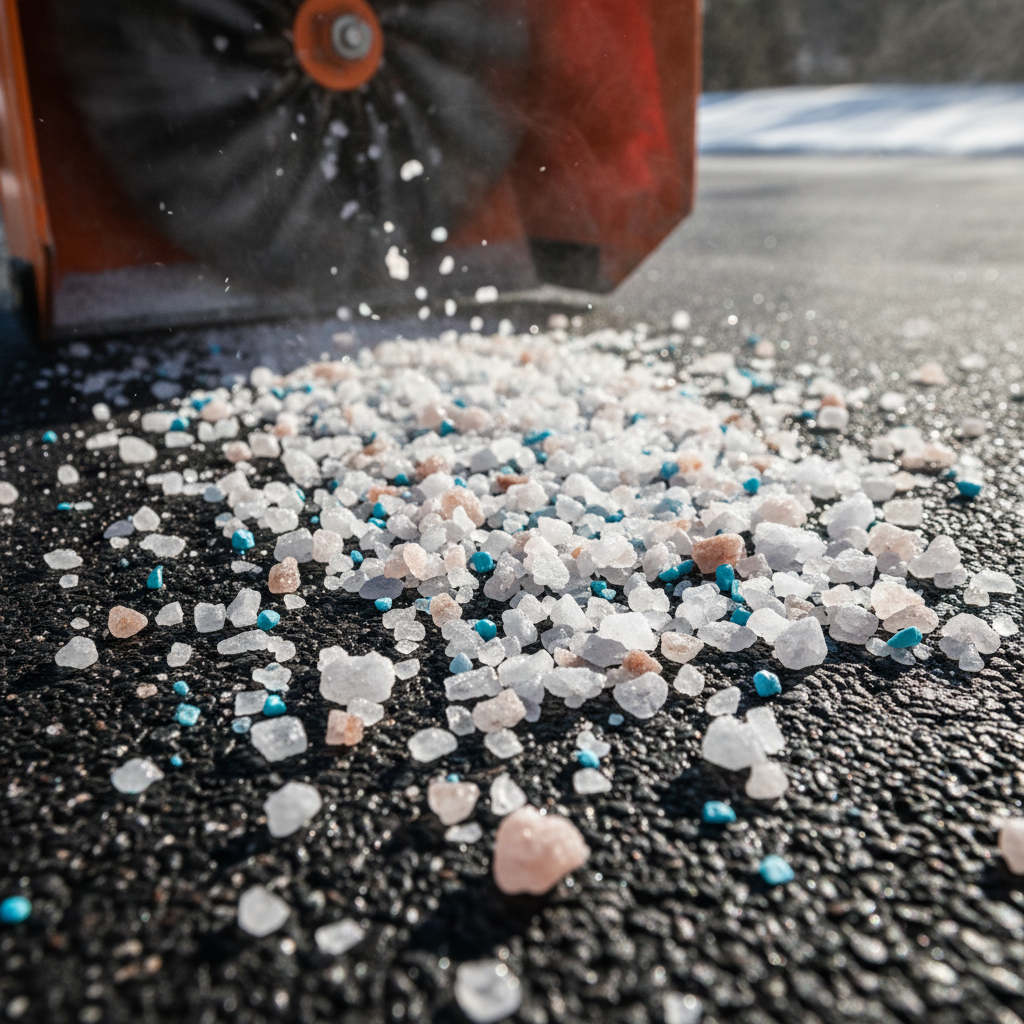
Inspecting Your Pavement
Before winter sets in, conducting a thorough inspection of your existing pavement is essential. Look for any cracks, potholes, or uneven areas that might worsen with freezing and thawing cycles. Identifying these issues early can save you from more extensive damage later.
Consider hiring a professional to assess your pavement's condition if you're unsure about what to look for. An expert can provide insights and recommend necessary repairs before the cold weather exacerbates any existing issues.
Repairing Existing Damage
Once you've identified areas of concern, it's time to address them. Repairing cracks and potholes is crucial before they expand due to moisture infiltration and freezing temperatures. Use a high-quality sealant to fill cracks and consider resurfacing areas that show significant wear.
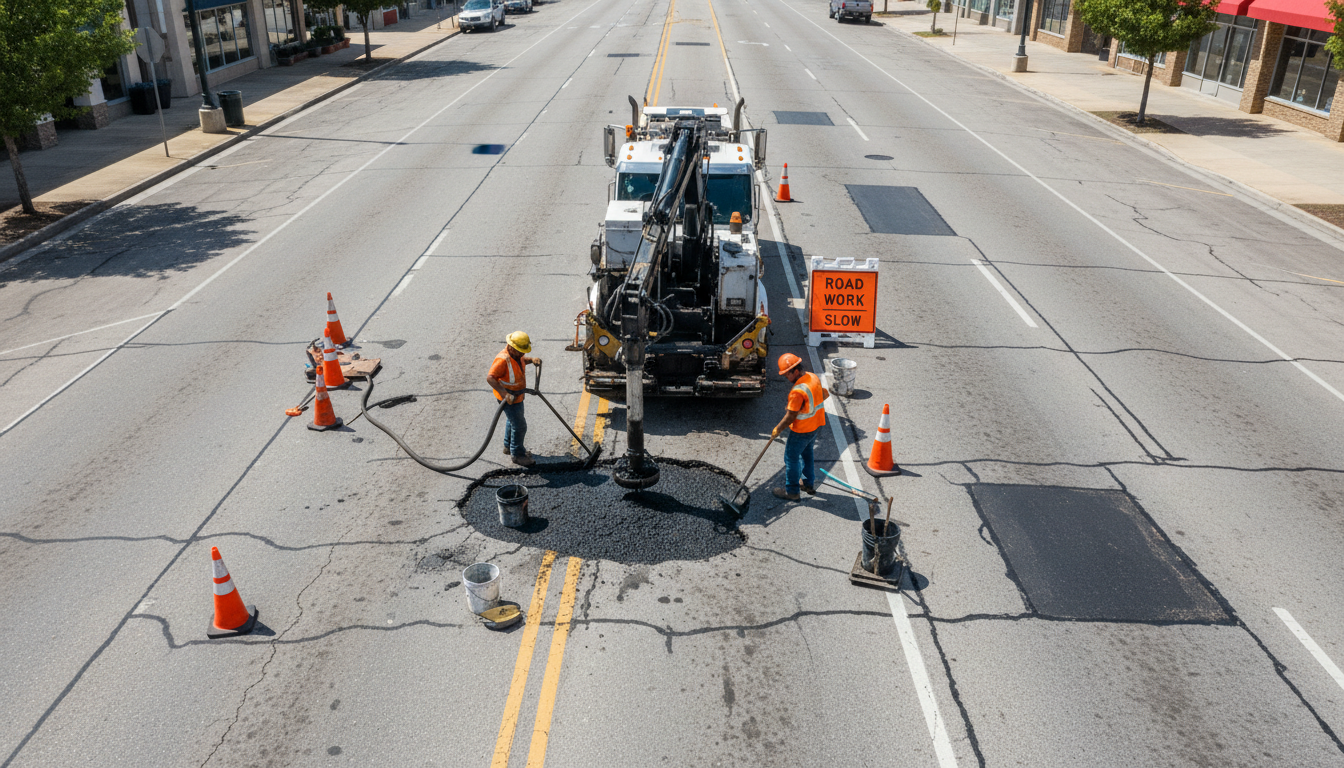
For larger areas of damage, professional resurfacing might be necessary. This process involves removing the top layer of pavement and applying a new surface, ensuring a smooth and durable finish that can withstand winter conditions.
Sealing Your Pavement
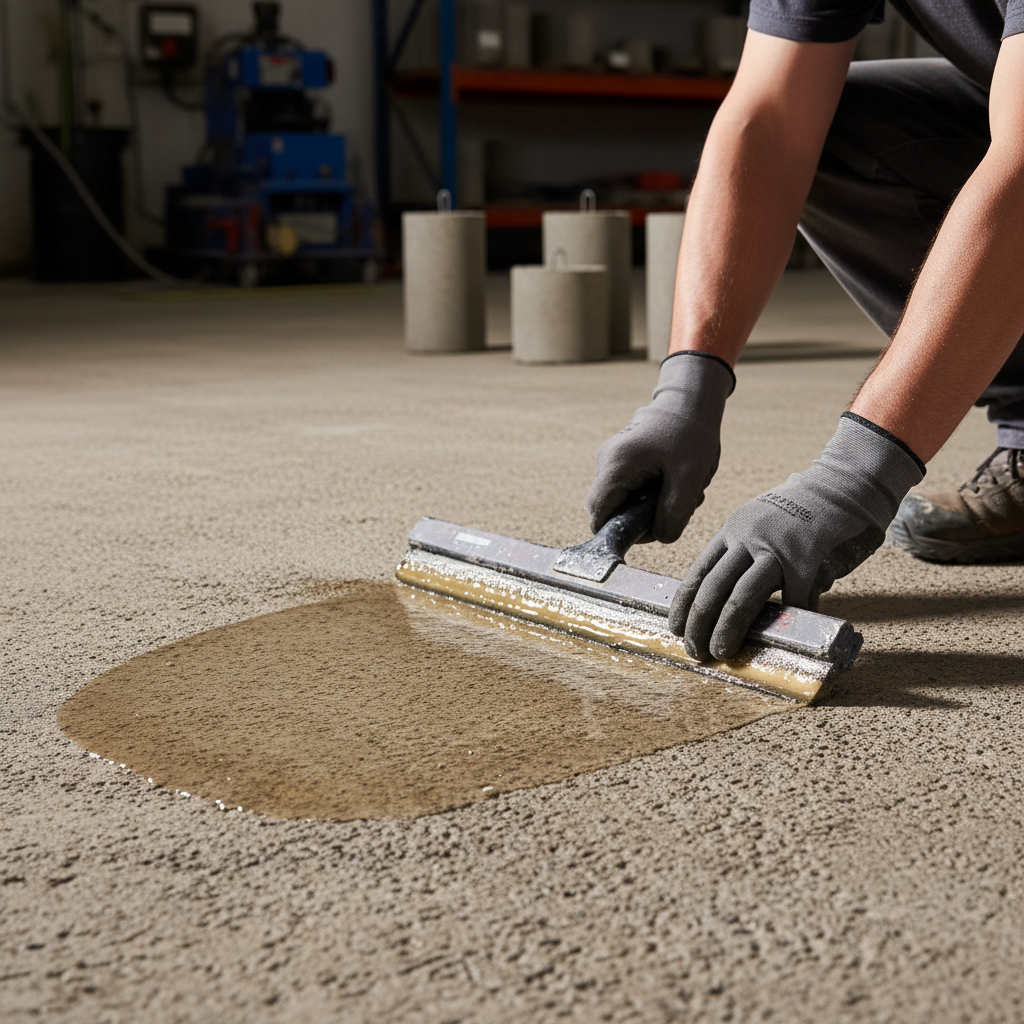
Sealing your pavement is a proactive measure that provides a protective barrier against moisture, ice, and chemicals used for de-icing. A well-sealed surface can prevent water from seeping into small cracks and expanding them during freeze-thaw cycles.
It's recommended to apply a sealant before temperatures drop too low, as the effectiveness of sealing products can diminish in cold weather. Aim to complete this task well before the first frost.
Ensuring Proper Drainage
Proper drainage is essential to prevent water accumulation on your pavement. Clogged drains and gutters can lead to pooling water, which increases the risk of ice formation and subsequent damage. Regularly clear debris from drainage areas and ensure they are functioning correctly.
Consider grading adjustments or installing additional drainage solutions if water tends to pool in specific areas. This step can significantly reduce the risk of winter damage to your paving surfaces.
Preparing for Snow and Ice
Finally, prepare for snow removal and ice management. Stock up on salt and other de-icing materials, and ensure your snow shovels and blowers are in good working condition. Consider using sand or alternative de-icers that are less harsh on pavement surfaces.
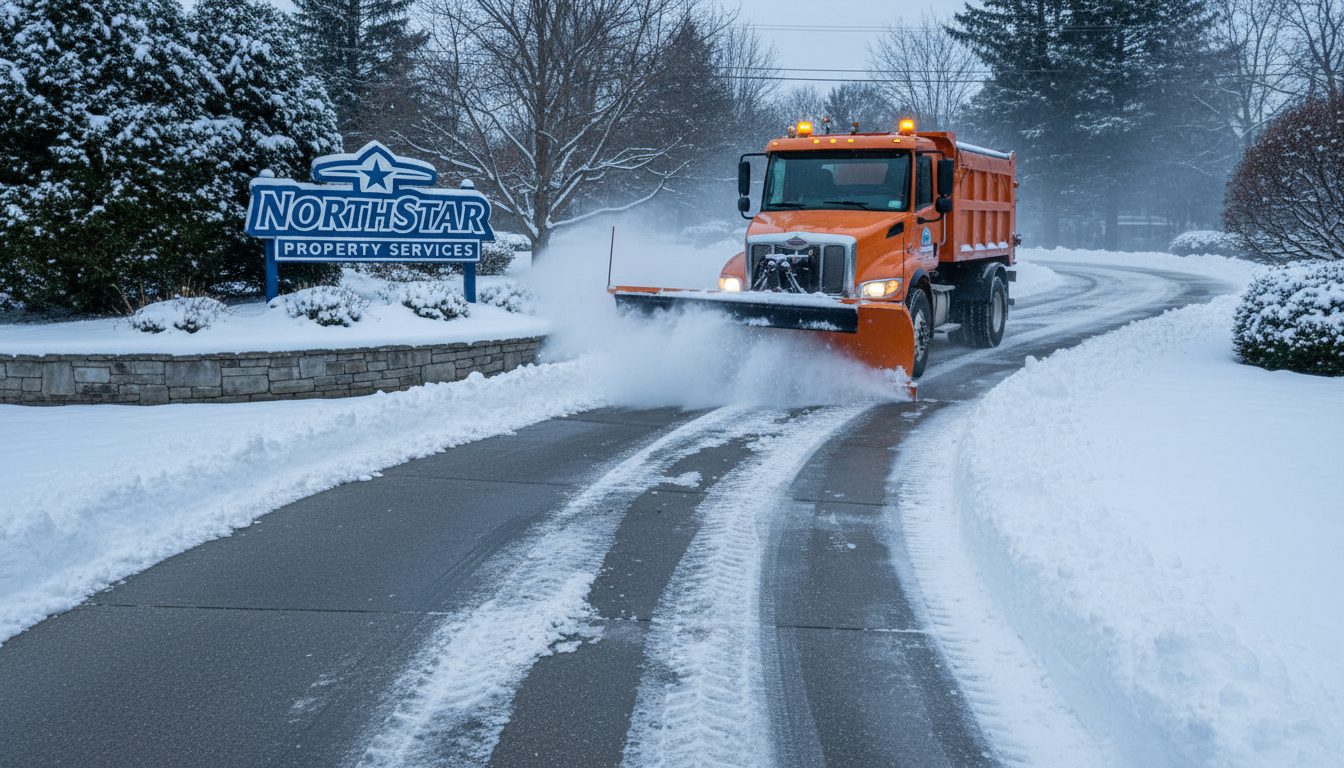
Planning ahead for snow removal can help prevent damage caused by heavy equipment and chemicals that deteriorate pavement. By taking these steps, you'll ensure that your paved areas are safe and resilient throughout the winter months.