
Preparing Your Driveway for Seasonal Changes


Understanding Seasonal Challenges
As the seasons change, your driveway undergoes significant stress. Temperature fluctuations can lead to cracks, while rain and snow may cause erosion or staining. Preparing your driveway for these changes is crucial to maintaining its longevity and appearance.
Understanding the specific challenges each season presents can help you take proactive measures. Winter brings freezing temperatures that can cause materials to contract and expand, leading to cracks. In contrast, summer heat can make your driveway brittle, resulting in surface damage.
Inspecting Your Driveway
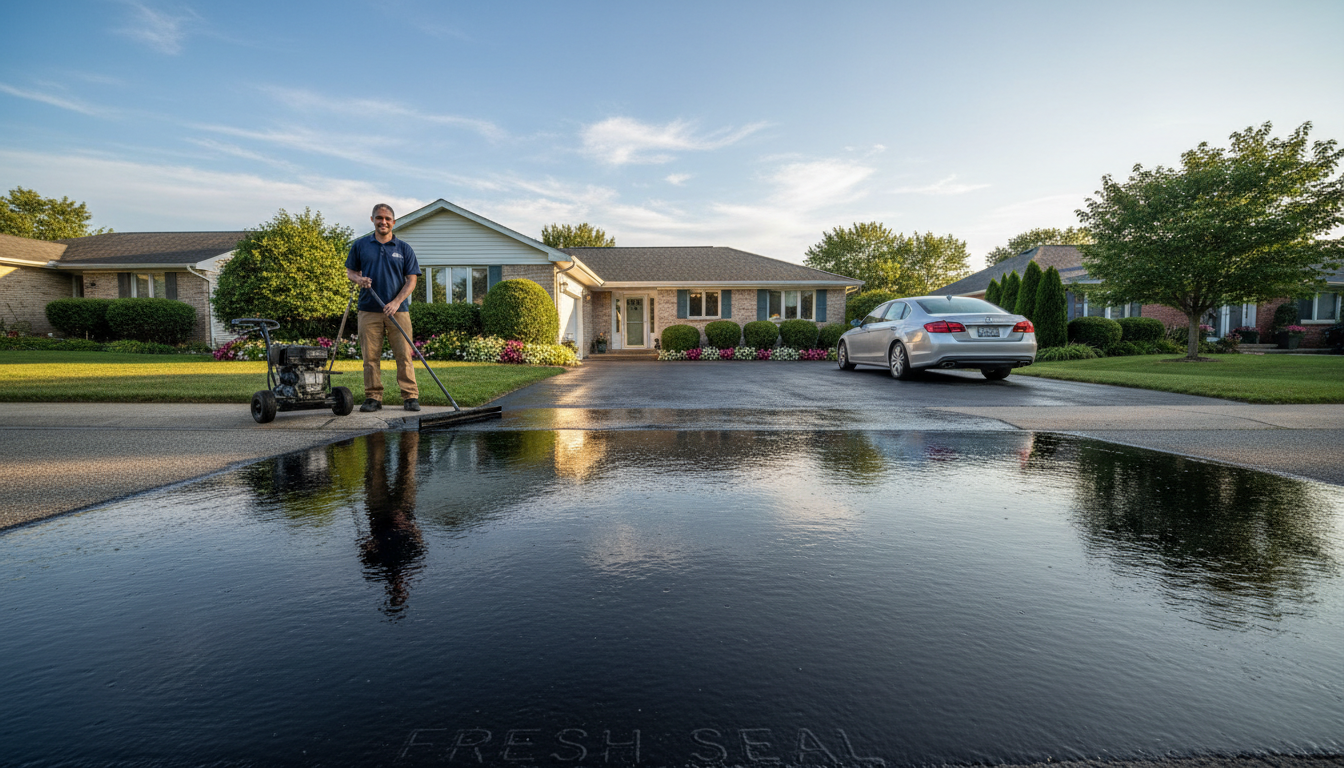
Regular inspections are essential in identifying potential issues before they become serious problems. Look for cracks, potholes, and any signs of drainage problems. These are common indicators that your driveway needs attention.
If you find any cracks, it's important to address them immediately. Small cracks can quickly turn into larger ones if left unattended, especially with the freeze-thaw cycles of winter. Filling these cracks can prevent water from seeping in and causing more damage.
Tools for Inspection
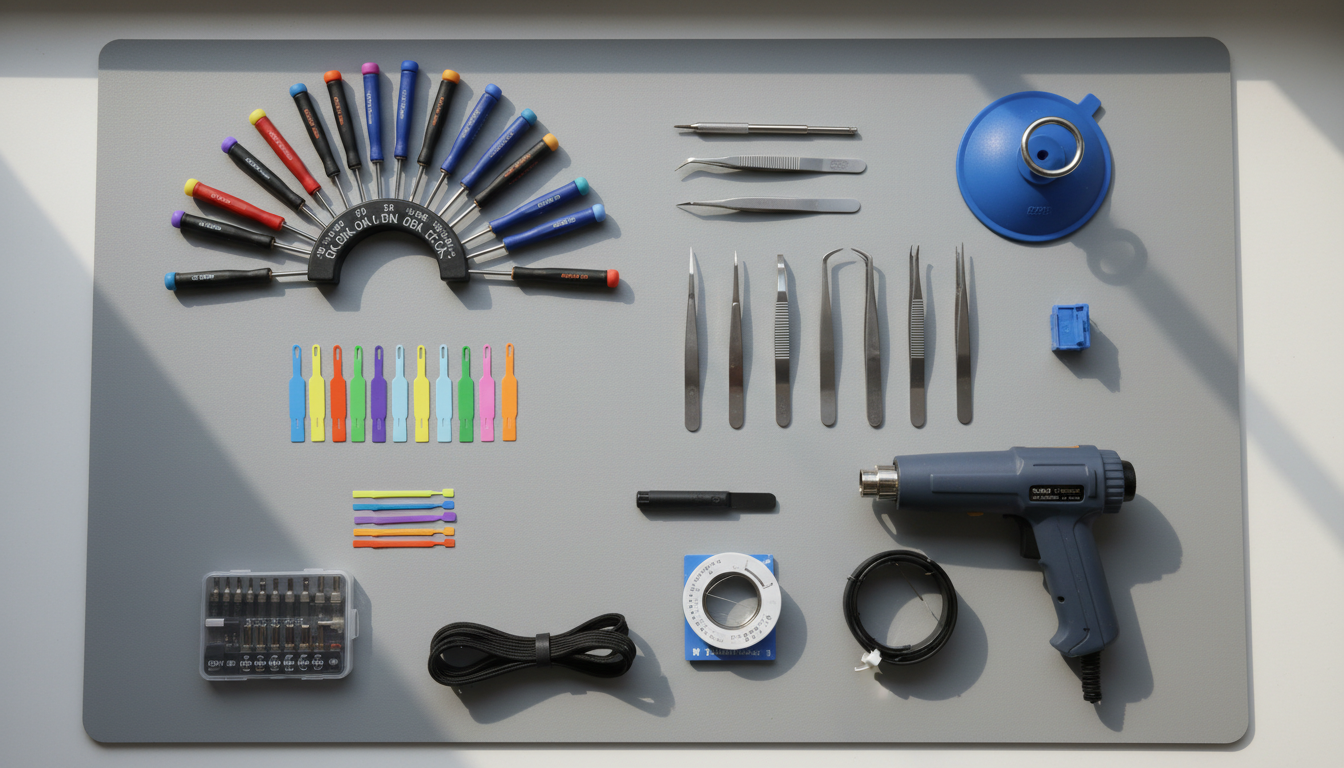
Using the right tools can make your inspection more effective. A flashlight can help you see smaller cracks, while a measuring tape can gauge the size of any damage. For a thorough assessment, consider hiring a professional.
Cleaning and Sealing
Cleaning your driveway is a critical step in preparation for seasonal changes. Remove any debris, dirt, or oil stains using a high-pressure washer. This not only improves the appearance but also ensures that the surface is ready for sealing.
Sealing your driveway can protect it from harsh weather conditions. A good sealant will create a protective barrier against water, ice, and UV rays. Depending on your driveway material, you may need to choose between different types of sealants.
When to Seal
The best time to seal your driveway is during the warmer months when temperatures are consistently above 50°F. This allows the sealant to dry properly and provide maximum protection. Regular sealing every 2-3 years can significantly extend the lifespan of your driveway.
Managing Drainage
Proper drainage is vital in preventing water accumulation on your driveway. Standing water can seep into cracks and exacerbate damage. Ensure that gutters and downspouts are directed away from your driveway to avoid water pooling.
Installing a drainage system or improving the slope of your driveway can also help manage water flow. This is particularly important in regions with heavy rainfall or melting snow.
Preparing for Winter
Winter preparation involves specific actions to safeguard your driveway. Use de-icing products sparingly, as some chemicals can damage the surface. Opt for calcium chloride-based products instead of rock salt, which is less harsh.
Consider investing in a snowblower or hiring a snow removal service to prevent snow build-up. Shoveling can be hard on your driveway, especially if you use metal shovels that can scratch the surface.

Conclusion
Preparing your driveway for seasonal changes requires attention and effort, but the benefits are well worth it. Regular maintenance, cleaning, and sealing can prevent costly repairs and preserve the aesthetic appeal of your home. By taking these steps, you can ensure that your driveway remains in excellent condition, no matter the season.