
Myths About Asphalt Paving Debunked: What You Should Really Know


Understanding Asphalt Paving: Debunking the Myths
Asphalt paving is a common choice for roads, driveways, and parking lots, yet several myths surround its use and effectiveness. Many people hold misconceptions that can lead to poor decision-making and unnecessary expenses. In this post, we'll address and debunk some of the most prevalent myths about asphalt paving.

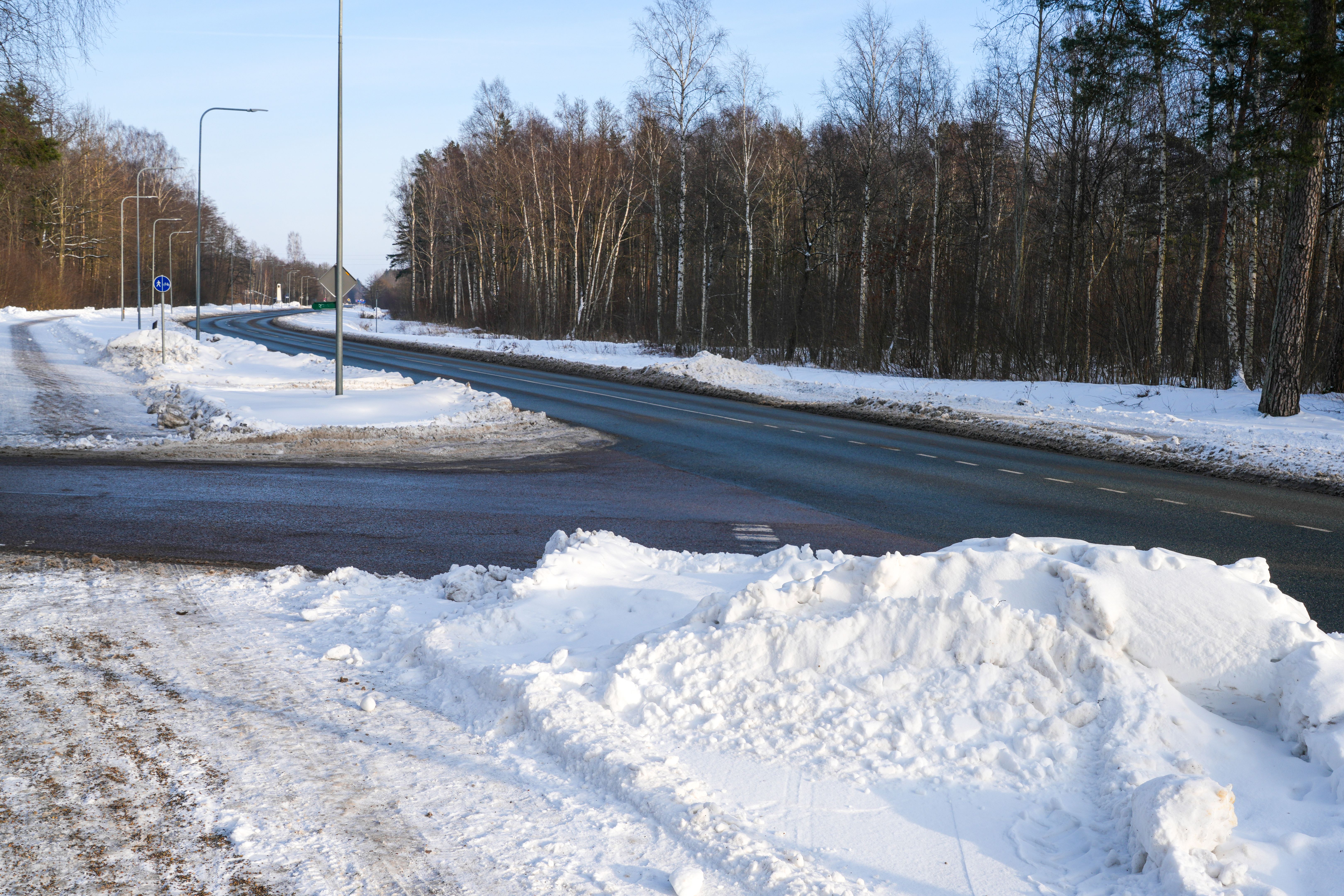
Myth 1: Asphalt is Only Suitable for Warm Climates
One common belief is that asphalt is only suitable for warm climates. However, this is far from the truth. Asphalt is a versatile material that can withstand various weather conditions. Modern asphalt mixtures are designed to handle freezing temperatures and are used successfully in colder regions around the world.
Proper installation and maintenance are key to ensuring asphalt's durability, regardless of the climate. By choosing the right asphalt mix and hiring experienced professionals, you can enjoy a long-lasting pavement in any weather.
Myth 2: Asphalt Paving is Expensive
Another misconception is that asphalt paving is prohibitively expensive. While the initial cost might seem high, asphalt is actually a cost-effective option in the long run. The material is less expensive than concrete and requires less maintenance over time.
Asphalt's quick installation and repair capabilities also contribute to its cost-efficiency. Most projects can be completed in a matter of days, minimizing disruptions and labor costs. Additionally, recycling old asphalt for new projects can further reduce expenses.
Myth 3: Asphalt is Not Environmentally Friendly
Some people believe that asphalt is not environmentally friendly. In reality, asphalt is one of the most recycled materials globally. Reclaimed asphalt pavement (RAP) can be reused in new projects, reducing the need for new raw materials and lowering the environmental impact.
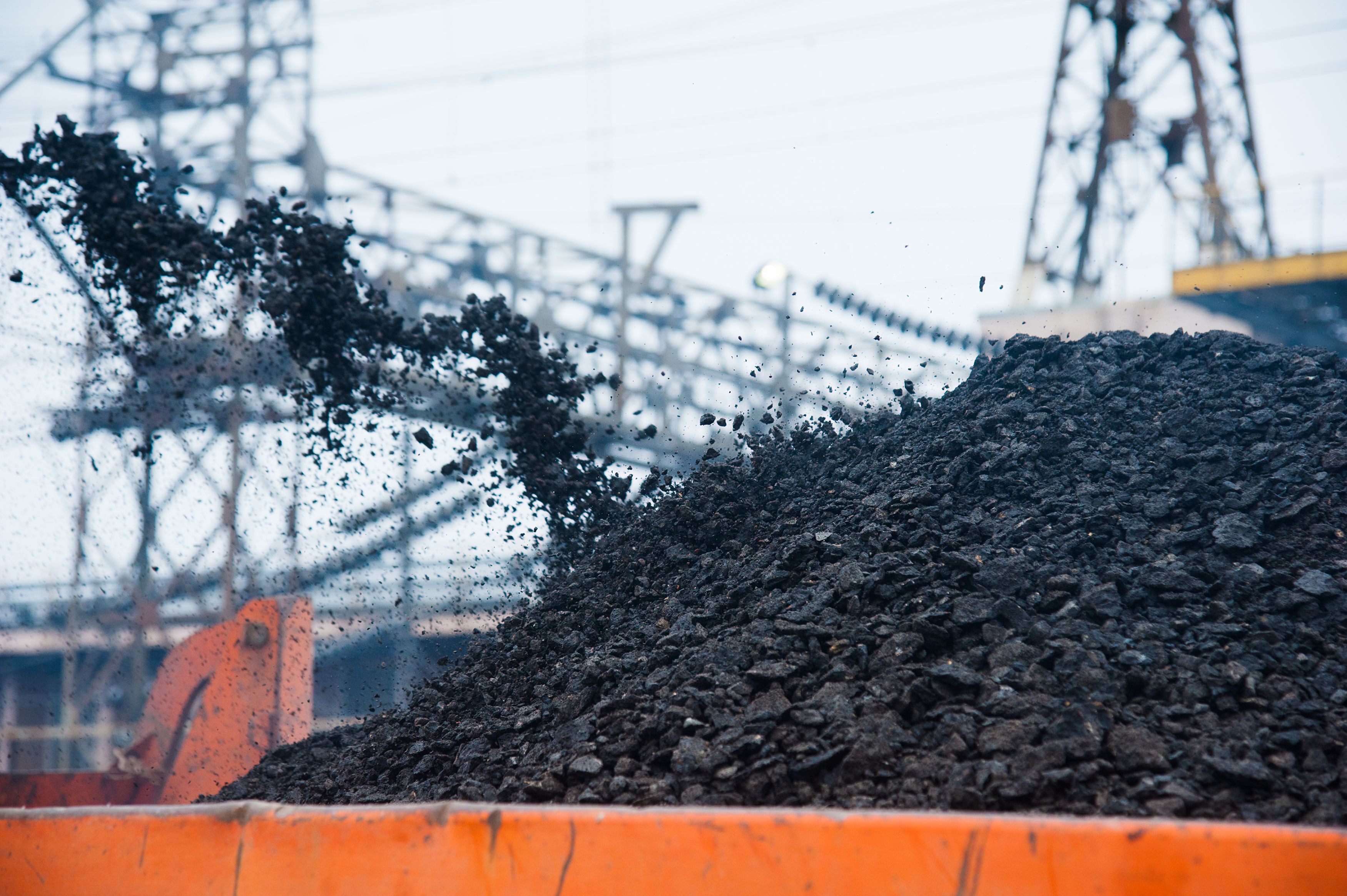
Moreover, advancements in technology have led to the development of more sustainable asphalt options, including warm-mix asphalt, which requires less energy for production and emits fewer greenhouse gases.
Myth 4: Asphalt Pavements Are High Maintenance
Many assume that asphalt pavements require constant upkeep, but this is not necessarily the case. While regular maintenance like sealcoating and crack filling is recommended, these tasks are relatively simple and infrequent.
With proper care, asphalt surfaces can last 20 years or more. Routine maintenance helps prevent minor issues from becoming major problems, ensuring your pavement remains in top condition over the years.
Conclusion: Making Informed Decisions
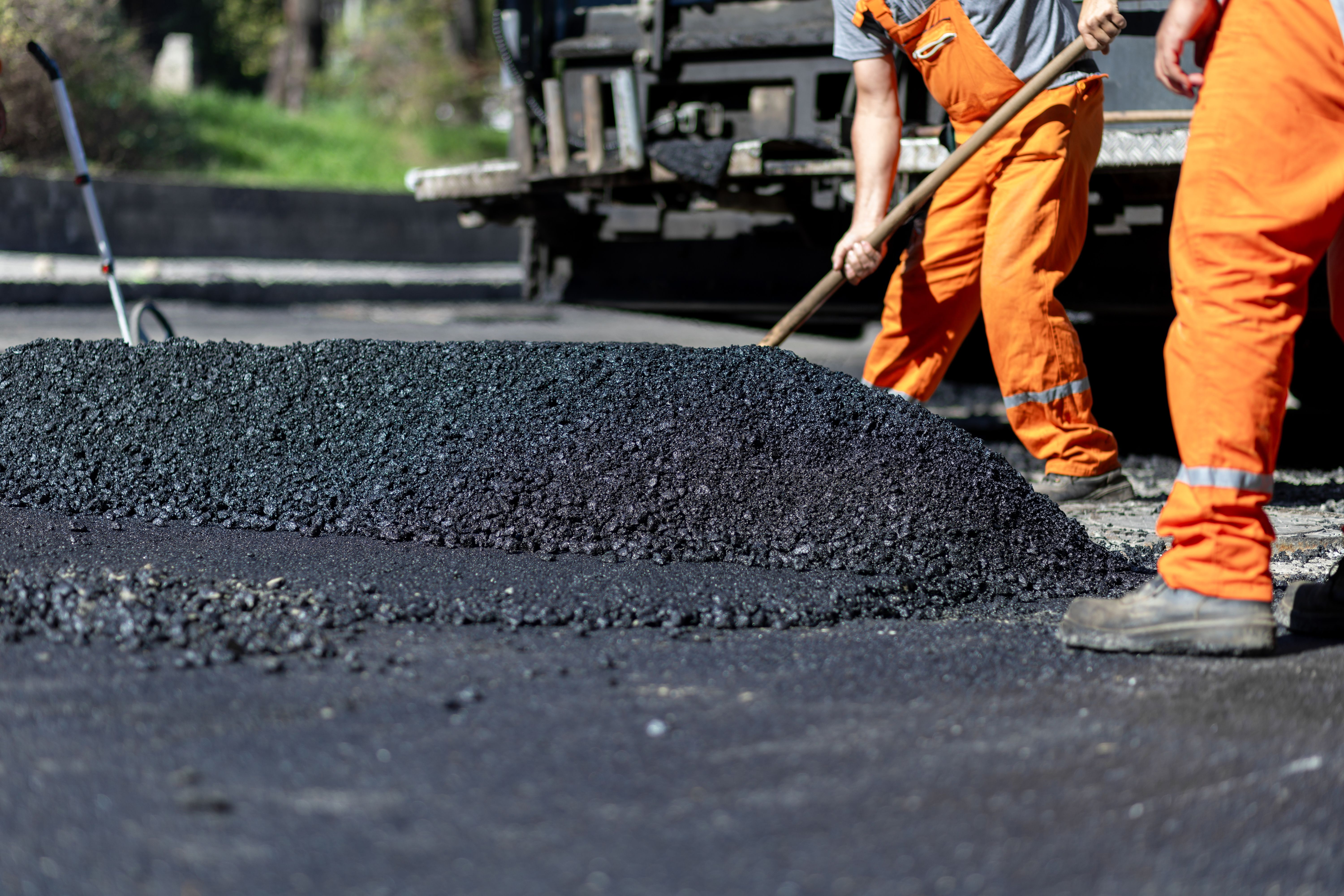
Understanding the facts about asphalt paving is essential for making informed decisions. By debunking these myths, you can see that asphalt is a durable, cost-effective, and environmentally friendly choice for your paving needs.
Whether you're considering asphalt for a new project or maintaining an existing surface, it's important to rely on expert advice and services. With the right approach, you can enjoy the benefits of asphalt paving for many years to come.