
Concrete Flatwork vs. Asphalt Paving: Which is Right for Your Property?


When it comes to paving your property, selecting the right material is crucial. Two popular options are concrete flatwork and asphalt paving. Each has its own set of benefits and drawbacks, and the choice largely depends on your specific needs and circumstances. In this post, we'll explore the key differences to help you make an informed decision.
Durability and Longevity
One of the most important factors to consider is how long the pavement will last. Concrete flatwork is known for its exceptional durability. It can last for several decades with proper maintenance, making it an ideal choice for driveways, patios, and sidewalks.
On the other hand, asphalt paving generally has a shorter lifespan. While it is durable, it typically requires more frequent maintenance and resurfacing every 10 to 15 years. However, it has the advantage of being easier and cheaper to repair.
Cost Considerations
Initial installation costs can significantly impact your decision. Asphalt is generally less expensive to install compared to concrete. If you are working with a tight budget, asphalt may be the more cost-effective option upfront.
However, it's important to consider long-term costs. While concrete may have a higher initial price, its longevity can make it a more economical choice in the long run by reducing the need for frequent repairs.
Climate and Weather Impact
The climate in your area plays a critical role in deciding between concrete and asphalt. Asphalt is more flexible and better suited for colder climates, as it can contract and expand without cracking. This flexibility makes it less susceptible to damage from freeze-thaw cycles.
Concrete, however, performs better in warmer climates. It tends to soften in extreme heat, which can lead to deformation. If you live in a region with high temperatures, concrete may be the more suitable option.
Maintenance and Repairs
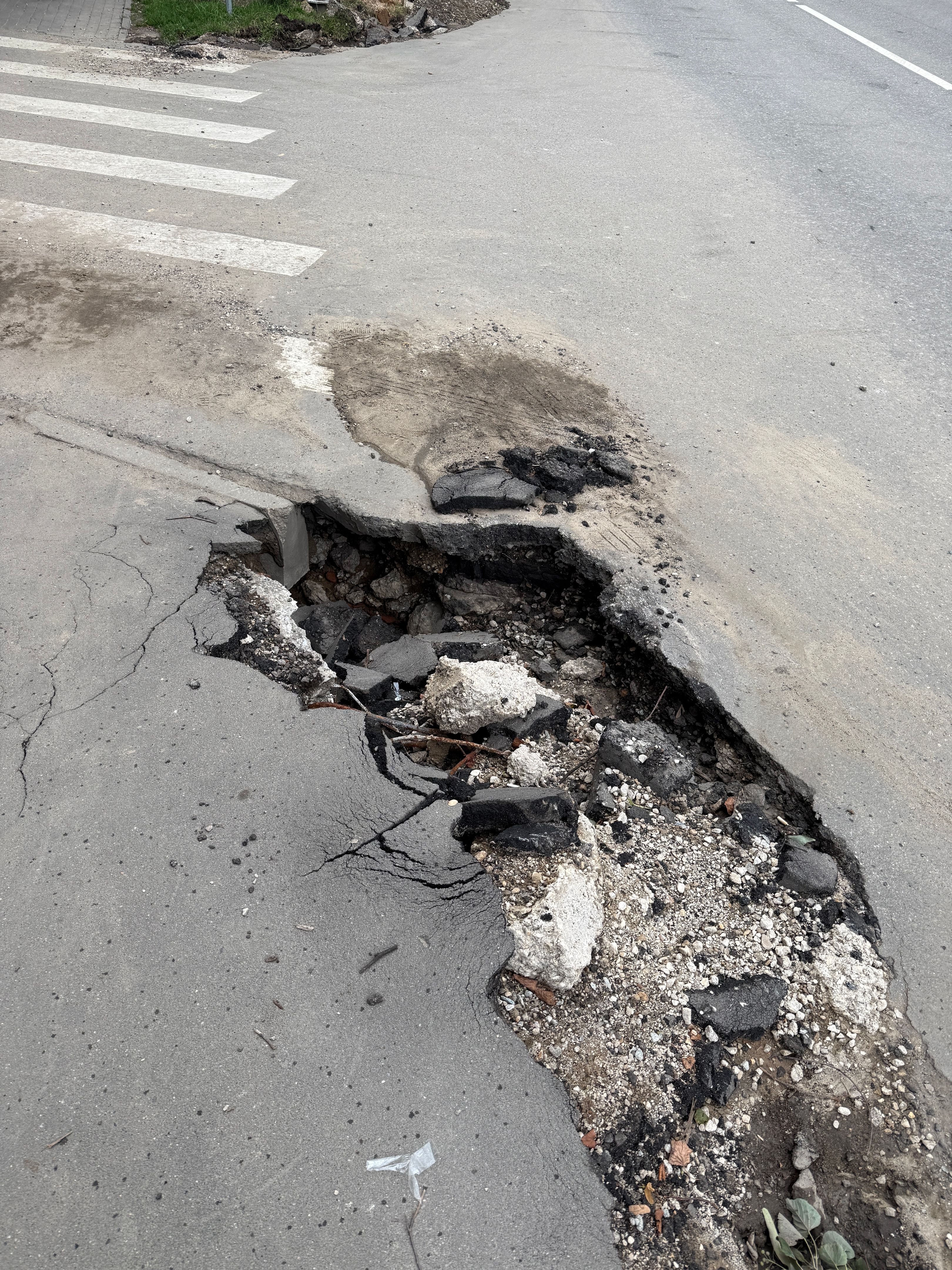
Maintenance is another important consideration. Asphalt requires regular sealing to maintain its appearance and functionality. Cracks in asphalt can be easily filled, making repairs relatively straightforward and low-cost.
Concrete, though more durable, can be more challenging to repair. Cracks and stains are more difficult to address, and repairs might be more noticeable. However, its need for maintenance is less frequent compared to asphalt.
Aesthetic Appeal
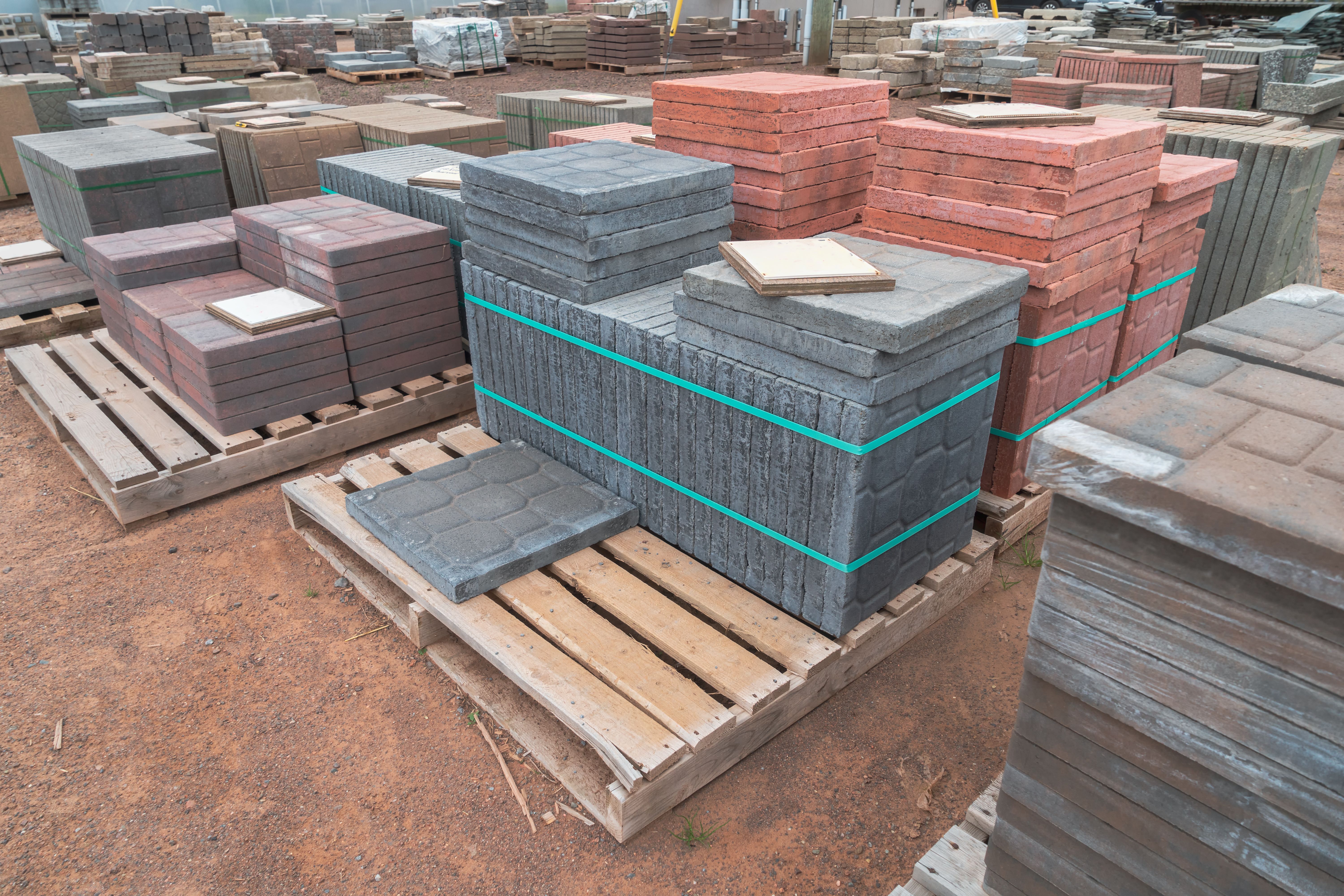
When it comes to aesthetics, both materials offer different advantages. Concrete provides a range of design options, including stamping and coloring, which can enhance the visual appeal of your property. This makes it a preferred choice for those looking to achieve a specific look.
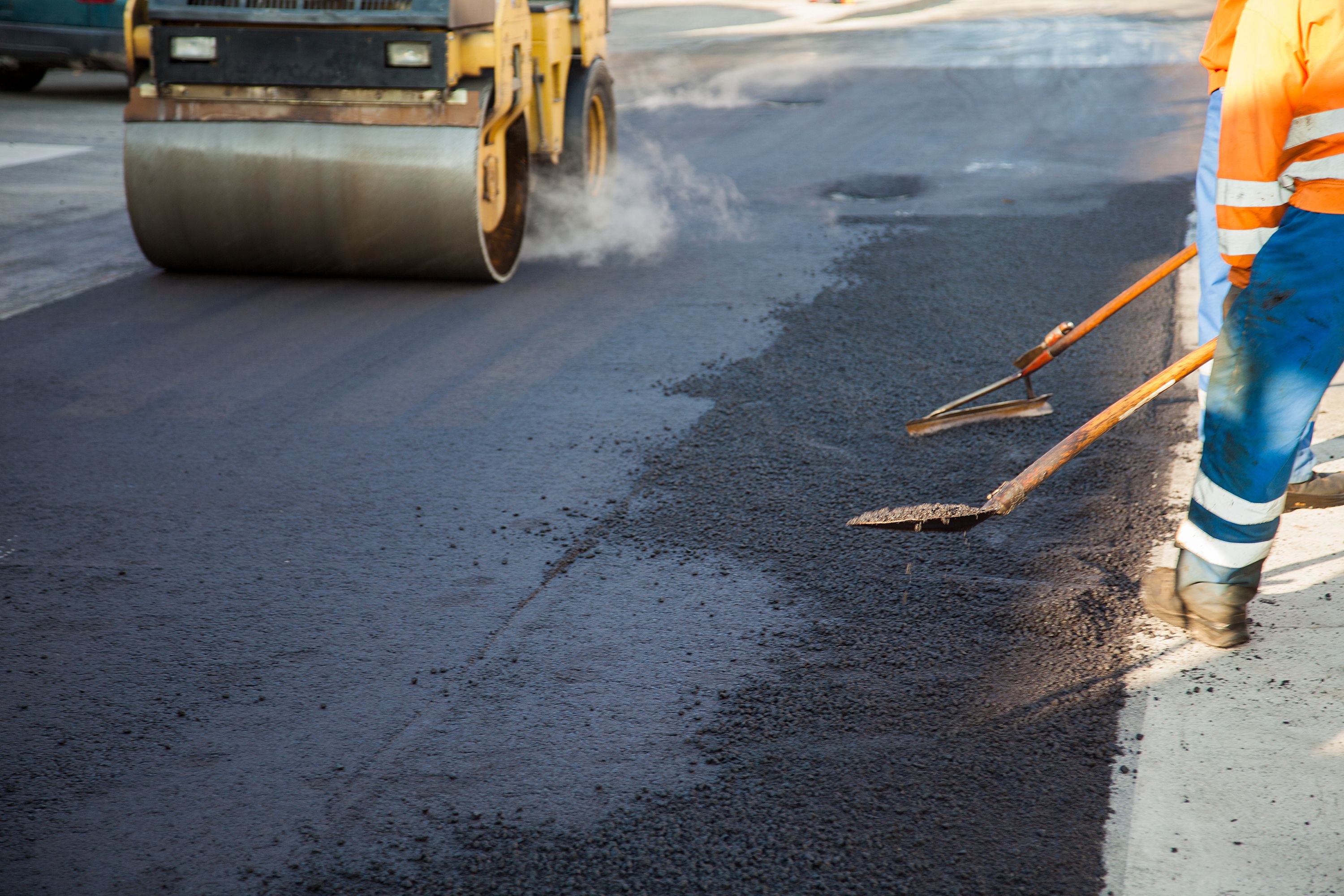
Asphalt, while more limited in design options, offers a sleek and uniform appearance. Its dark color can provide a striking contrast against landscaping and buildings, enhancing curb appeal.
Conclusion
Choosing between concrete flatwork and asphalt paving involves weighing several factors including durability, cost, climate suitability, and aesthetic preferences. By understanding the strengths and weaknesses of each material, you can select the option that best meets your needs and enhances your property’s value and appeal.