
Choosing Between Asphalt and Concrete: Making the Right Decision for Your Property


Introduction
When it comes to paving surfaces for your property, choosing between asphalt and concrete can be a daunting decision. Both materials have their unique advantages and drawbacks, and selecting the right one depends on several factors such as cost, climate, and intended use. In this blog post, we will explore the key differences between asphalt and concrete to help you make an informed choice.

Cost Considerations
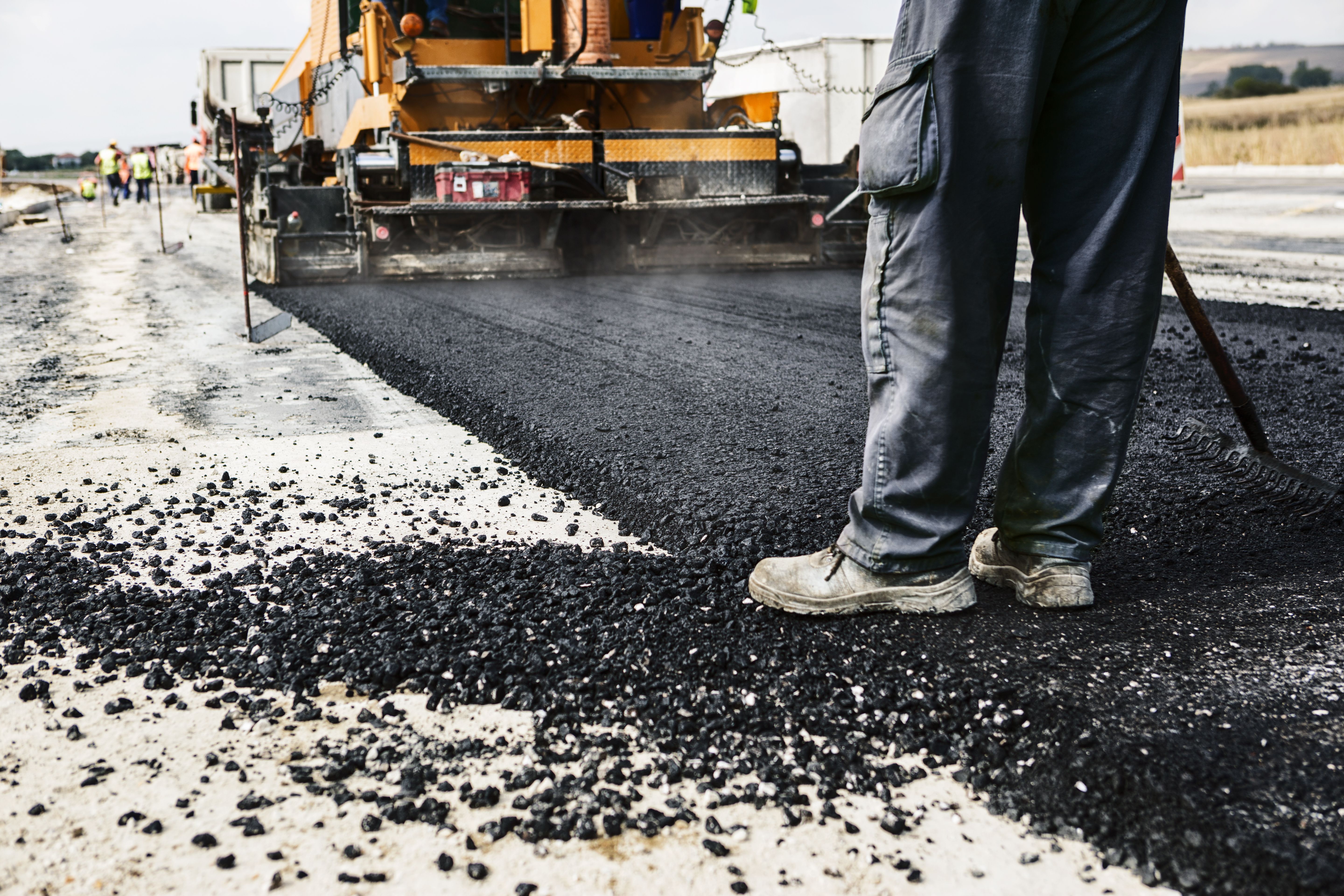
Cost is often a primary consideration for many property owners. Generally, asphalt is less expensive to install than concrete. The initial cost savings can be significant, making asphalt a popular choice for large areas like driveways and parking lots. However, it's important to consider long-term maintenance costs, which can add up over time.
Concrete, on the other hand, typically has a higher upfront cost but may require less maintenance over its lifetime. This could be a more economical choice in the long run, especially in areas with extreme weather conditions.
Climate and Durability
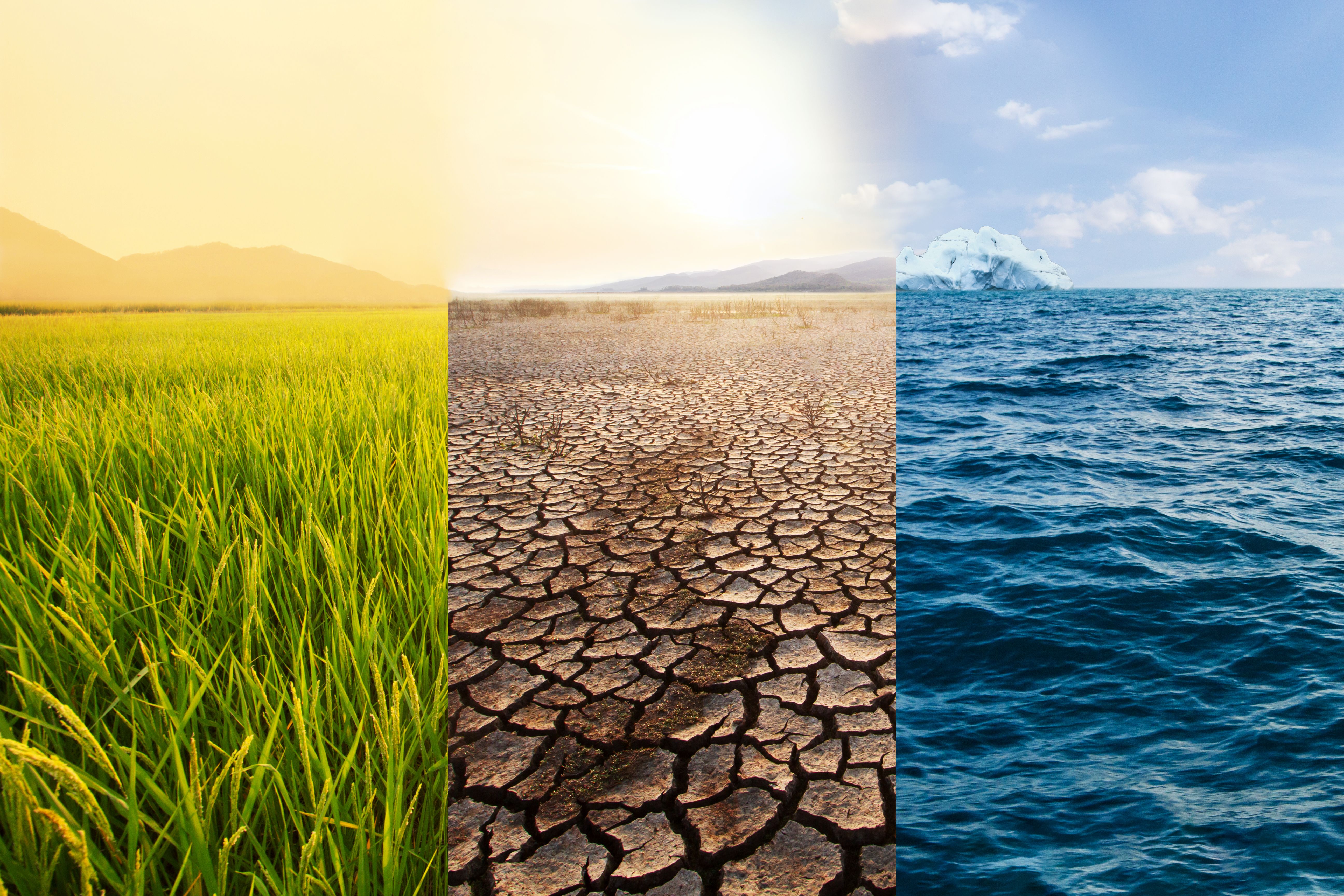
The climate of your region plays a crucial role in determining which material is best suited for your property. Asphalt tends to perform better in colder climates because it can expand and contract with temperature changes, reducing the likelihood of cracks. However, in hot climates, asphalt can soften and deform.
Concrete is more resistant to heat, making it ideal for warmer regions. It is also known for its durability and can last for several decades with proper maintenance. However, in colder areas, concrete is prone to cracking due to freeze-thaw cycles.
Aesthetic Appeal
When it comes to aesthetics, concrete offers more versatility. It can be stamped, colored, or polished to achieve a variety of looks, from modern to rustic. This makes concrete a popular choice for homeowners who want to enhance the visual appeal of their property.
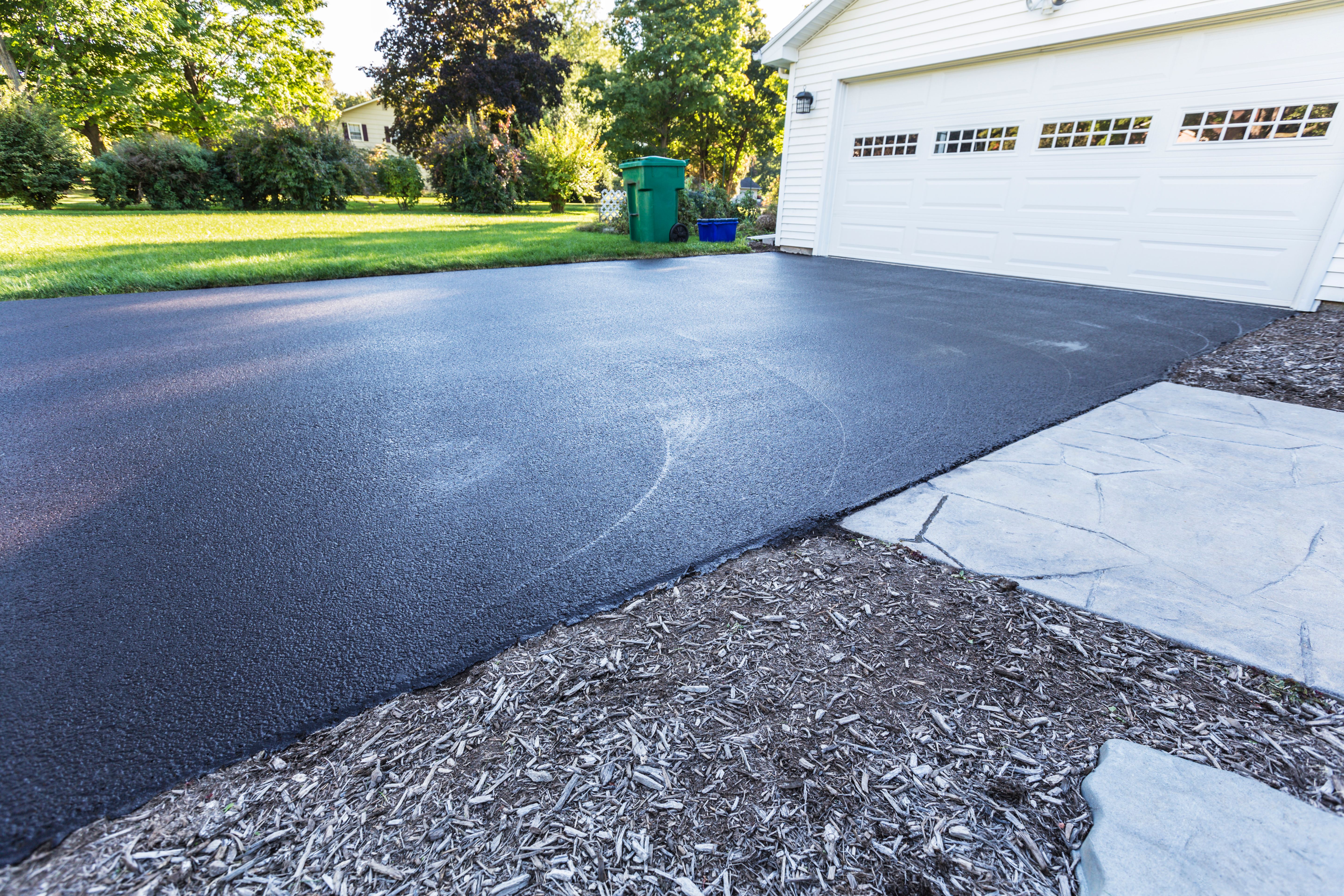
Asphalt, while more limited in aesthetic options, provides a sleek and uniform appearance. Its dark color can also offer a nice contrast to landscaping and buildings.
Maintenance and Repair
Maintenance is another critical factor to consider. Asphalt requires regular sealing to maintain its appearance and prevent damage. Cracks and potholes should be repaired promptly to extend its lifespan.
Concrete generally requires less maintenance but is not immune to damage. Sealing can help protect it from stains and weather damage. Repairs can be more challenging and costly, especially if the concrete is colored or textured.
Environmental Impact
Both materials have environmental implications. Asphalt production can contribute to pollution, but it is often made with recycled materials, which can be a more sustainable choice. Concrete has a lower environmental impact during production, but its high energy consumption and CO2 emissions are important to consider.
Choosing a material with recycled content or opting for environmentally friendly sealants and maintenance products can help mitigate some of these impacts.
Conclusion
Ultimately, the decision between asphalt and concrete will depend on your specific needs and priorities. Consider factors such as cost, climate, durability, aesthetics, and environmental impact to make the best choice for your property. By weighing these elements carefully, you can select a paving material that meets your needs and enhances the value of your property.